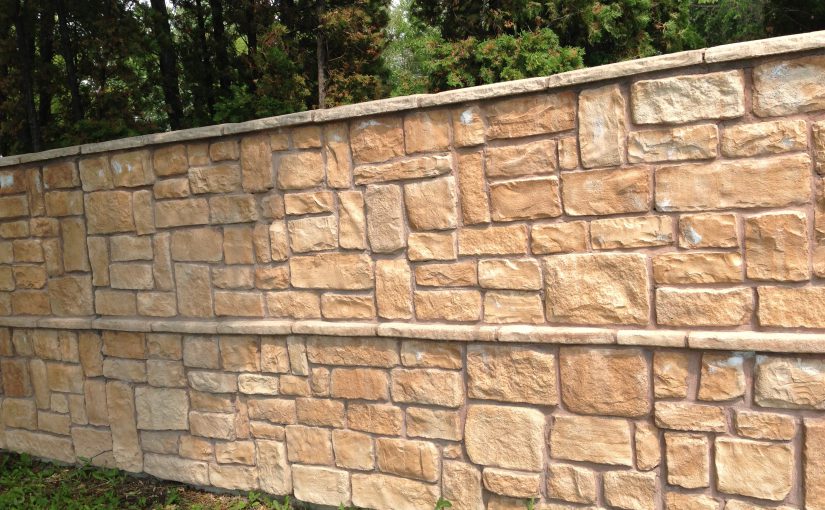
Winter weather can be particularly harsh on masonry structures, such as brick walls, stone facades, and chimneys. The constant cycle of freezing and thawing can lead to cracks, crumbling mortar, and other forms of damage that compromise the integrity of your masonry. One of the most effective ways to protect your masonry is by preparing it before the cold weather sets in, and tuckpointing near me Chicago plays a crucial role in this process. Here are some essential tips on how to prepare your masonry for winter and ensure it remains in excellent condition.
1. Inspect Your Masonry for Damage and Deterioration
Before the temperatures drop, thoroughly inspect your masonry structures for any signs of damage. Look for cracks, loose bricks, and deteriorating mortar joints. Even minor issues can escalate during winter as water infiltrates, freezes, and expands, causing further damage. Tuckpointing, the process of repairing and replacing damaged mortar joints, is crucial to maintaining your masonry’s strength and appearance. If you notice any damage, consider scheduling tuckpointing with professional masonry contractors to restore the integrity of your walls and prevent costly repairs.
2. Clean Your Masonry Surfaces
Cleaning your masonry before winter is important to remove dirt, algae, and other debris that can hold moisture against the surface. A dirty masonry surface can lead to moisture retention, increasing the risk of water infiltration and freeze-thaw damage. Use a mild cleaning solution and a soft brush to gently scrub away dirt without damaging the mortar. For extensive cleaning needs, professional masonry contractors can ensure your surfaces are cleaned correctly, leaving them ready for sealing and further protection.
3. Tuckpointing: Repair Damaged Mortar Joints
Tuckpointing is essential for repairing deteriorating mortar, which can become weak and prone to damage from moisture and freezing temperatures. By replacing old, crumbling mortar with fresh mortar that matches the original, tuckpointing not only restores the appearance of your masonry but also strengthens the structure, making it more resistant to winter weather. Proper tuckpointing helps prevent water from seeping into the joints, which can freeze and cause cracks in the masonry. Schedule tuckpointing with experienced masonry contractors to ensure your masonry is fully prepped for the winter season.
4. Apply a Protective Sealant
Applying a protective sealant to your masonry is an effective way to shield it from moisture penetration during winter. Sealants act as a barrier, preventing water from entering the brick or stone while still allowing the structure to breathe. This is particularly important after tuckpointing, as the new mortar needs protection from the elements. Ensure you use a breathable, masonry-specific sealant, and consult masonry contractors for the correct product and application method to maximize your masonry’s longevity.
5. Ensure Proper Drainage Around Your Masonry
Poor drainage can lead to water pooling near your masonry structures, which increases the risk of water infiltration and damage during winter. Inspect your gutters, downspouts, and landscape grading to ensure that water is directed away from walls, foundations, and other masonry elements. Proper drainage helps minimize the chances of water seeping into masonry joints, especially after tuckpointing, which is essential to keep the repairs intact. If you’re experiencing drainage issues, masonry contractors can suggest and install solutions like French drains or regrading to improve water flow around your property.
6. Protect Masonry from Snow and Ice Buildup
Snow and ice can be particularly damaging to masonry surfaces, especially when they accumulate on steps, walkways, or driveways. Avoid using harsh chemical de-icers, which can erode mortar joints, particularly after tuckpointing repairs. Instead, opt for masonry-safe de-icing solutions like sand or calcium magnesium acetate, which provide traction without damaging the surface. For added protection, masonry contractors can install snow-melt systems that help keep these areas clear and safe without harming your masonry.
7. Schedule Regular Maintenance and Tuckpointing
Preventive maintenance is key to keeping your masonry in good condition year-round. Masonry contractors can inspect your structures for early signs of damage, clean surfaces, and perform tuckpointing as needed to repair any weakened mortar. Regular maintenance not only keeps your masonry looking great but also ensures it remains structurally sound, helping to avoid costly repairs and extend the lifespan of your brick and stone features.
Preparing your masonry for winter involves a combination of careful inspection, cleaning, sealing, and most importantly, addressing damaged mortar through tuckpointing. By taking these steps, you can protect your masonry from the effects of freezing weather and maintain its strength and beauty. Don’t wait until the first snowflake falls—contact professional masonry contractors to schedule tuckpointing and other essential winter preparations today, ensuring your masonry is ready to withstand the cold months ahead.