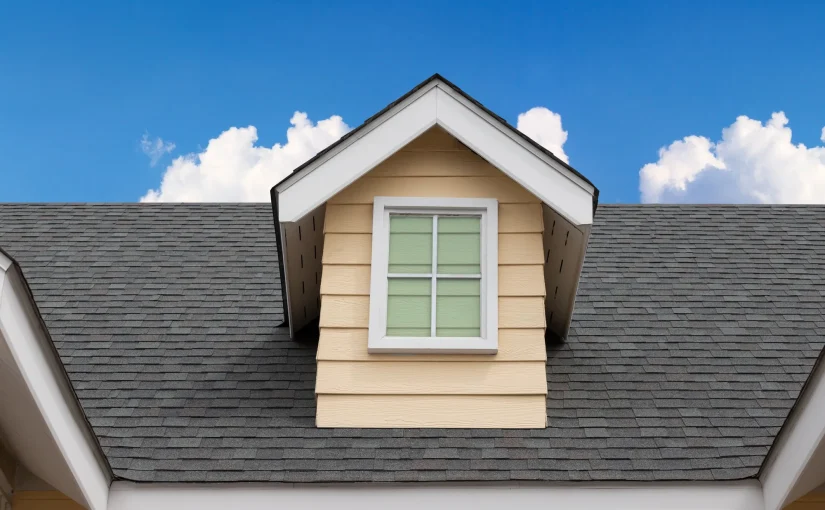
A roof can completely change the character of a home’s exterior. This is why homeowners planning a replacement increasingly look beyond basic roofing options and consider materials that combine performance with architectural appeal. Synthetic slate roofing near me Glencoe has gained attention because it provides the distinctive appearance of slate while addressing several limitations associated with natural stone.
The first major advantage is visual appeal. Slate has been used on distinguished homes and buildings for generations, creating an appearance associated with traditional craftsmanship and quality. Synthetic slate roofing is manufactured to reproduce this look through textured surfaces, varied edges, and carefully selected color combinations. Homeowners can achieve a classic exterior while using a modern roofing material.
Another major benefit is reduced structural weight. Natural slate is heavy, and not every house was designed to support it. Installing traditional slate on an existing property may require additional structural evaluation and potentially reinforcement. Synthetic slate roofing weighs much less, which can make it suitable for homes where genuine slate would be impractical.
Resistance to everyday weather exposure is another reason homeowners make the switch. A roofing system must perform through storms, temperature changes, intense sunlight, snow, and rain. Synthetic roofing products are engineered for outdoor durability, and many premium options include features intended to improve resistance to impact and severe weather.
Homeowners also appreciate that synthetic slate roofing can be easier to handle during repairs. Natural slate tiles can break if they are improperly walked on or struck by hard objects. Synthetic materials tend to offer greater flexibility. Although professional roof care is still recommended, reduced fragility can be a meaningful advantage.
Another consideration is the balance between cost and appearance. Natural slate can be expensive because of material costs, transportation, structural requirements, and specialized labor. Synthetic slate roofing is still a premium product and usually costs more than basic asphalt roofing, but it can provide a slate-style appearance at a more accessible total project cost.
Customization also attracts homeowners. Synthetic slate is available in a range of colors and profiles. A homeowner renovating a traditional property might select a darker, more classic slate appearance, while someone updating a contemporary home could choose a cleaner and more uniform combination. This flexibility makes the material useful across many architectural styles.
Longevity can further support the investment. The actual service life depends on product quality, installation, climate, maintenance, and roof design, but synthetic slate roofing is generally selected as a long-term roofing system rather than a temporary solution. Homeowners planning to stay in their property may therefore see value in paying more initially for greater durability.
Finally, synthetic slate roofing allows homeowners to combine old and new. The finished roof can provide the visual character associated with traditional slate while benefiting from modern manufacturing and installation practices. That balance is one of the strongest reasons synthetic slate roofs continue to attract homeowners looking for more than a standard roof replacement.