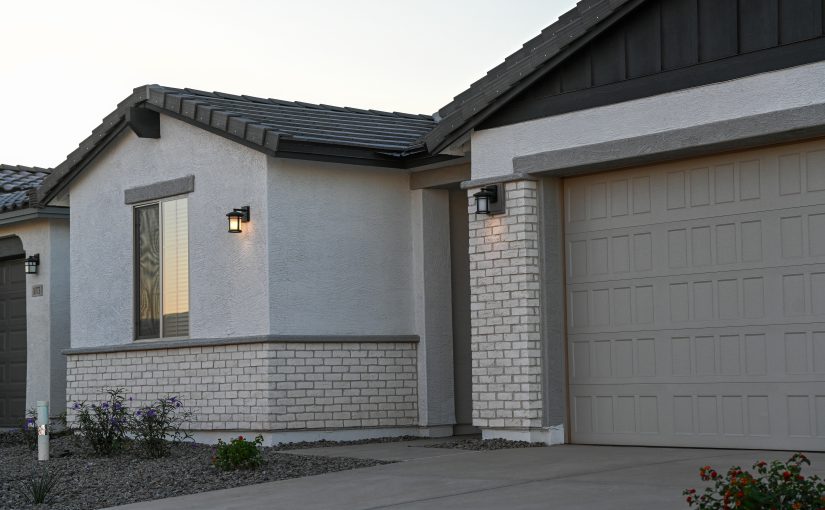
Stucco is a popular exterior finish for homes and commercial buildings, known for its durability, aesthetic appeal, and energy efficiency. However, over time, stucco can suffer from wear and tear due to environmental factors, moisture damage, or improper installation. In this detailed guide, we’ll explore everything you need to know about stucco repair Glencoe, including EIFS repair Kildeer and Dryvit repair Lake Zurich, and how to maintain your stucco surfaces for years to come.
What is Stucco?
Stucco is a mixture of cement, sand, lime, and water that is applied in layers to create a hard, durable surface. It has been a staple in both residential and commercial construction for centuries due to its versatility, fire resistance, and weather-resistant properties. Stucco can be applied to a variety of substrates, including concrete, masonry, and wood framing, creating a seamless and attractive exterior.
While stucco is a strong material, it is not invincible. Over time, cracks can appear, or the surface may become damaged due to factors like shifting foundations, moisture infiltration, or impacts from the environment.
Common Causes of Stucco Damage
Before diving into the specifics of stucco repair, it’s important to understand some of the common causes of damage to stucco surfaces:
-
Moisture Damage: Stucco is particularly susceptible to moisture issues, especially if there are cracks or gaps in the surface. Water can seep into the walls behind the stucco, leading to mold, mildew, and even structural damage if left untreated.
-
Foundation Shifting: As a building settles, it can cause cracks in the stucco surface. These cracks can widen over time, especially in areas with expansive soil or freeze-thaw cycles.
-
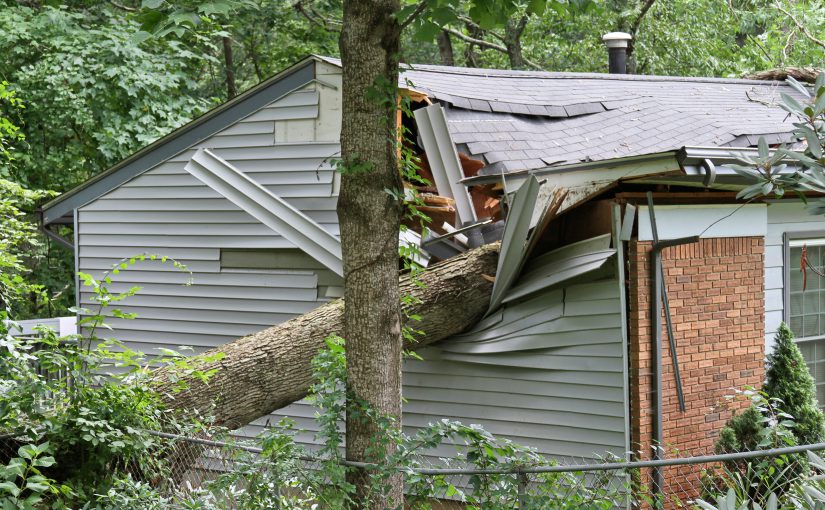
Impact Damage: From hailstorms to tree branches, impacts can cause cracks and chips in the stucco. This is especially true for the more brittle, traditional stucco finishes.
-
Improper Installation: If the stucco was not properly installed, it could start to degrade earlier than expected. Poor application techniques, such as insufficient curing time or improper layering, can leave the stucco surface vulnerable to cracking and other issues.
How to Identify Stucco Damage
Stucco damage can range from minor cracks to severe structural issues. Here’s how to identify common types of stucco damage:
-
Cracks: Small hairline cracks may be common and usually not a significant issue. However, larger, deep cracks (especially those that go all the way through the surface) can be indicative of more severe problems.
-
Damp or Soft Spots: If you notice dampness or soft spots on the surface, it’s a sign of moisture infiltration, which could lead to mold or mildew growth.
-
Bulging or Buckling: If the stucco appears to be bulging or buckling, it could mean that there’s water damage behind the surface, potentially affecting the structure of the wall.
-
Discoloration: Discoloration on the stucco can be a sign of water damage or algae/mold growth. This often happens in areas that are frequently exposed to moisture.
Stucco Repair Methods
Repairing stucco requires a detailed approach, depending on the type and extent of the damage. Here are some common methods used for stucco repair, EIFS repair, and Dryvit repair:
1. Stucco Crack Repair
Minor cracks can be easily repaired using a simple crack filler or stucco patching compound. Here’s how to repair small stucco cracks:
-
Clean the Crack: Use a wire brush to remove debris and loose particles from the crack. This will help the patch material adhere properly.
-
Apply the Filler: Using a putty knife, apply the stucco patching compound into the crack. Smooth it out to match the surrounding surface.
-
Allow to Dry: Let the patch dry completely before sanding it down to a smooth finish.
2. EIFS Repair (Exterior Insulation and Finish Systems)
EIFS is a popular alternative to traditional stucco. It consists of multiple layers, including an insulation board and a textured finish. If your EIFS system has been damaged, here’s what to do:
-
Assess the Damage: Look for cracks or soft spots. Moisture intrusion is a common issue with EIFS, so check for signs of mold or mildew behind the surface.
-
Remove Damaged Sections: Carefully cut away the damaged sections of EIFS, making sure not to disturb the insulation underneath.
-
Apply New Layers: Once the area is clean, apply a new layer of insulation, followed by a bonding agent and a finish coat. Be sure to match the texture of the surrounding area.
3. Dryvit Repair
Dryvit is a brand of EIFS, and its repair process is very similar to standard EIFS repairs. Here’s how to fix Dryvit surfaces:
-
Identify the Issue: Like EIFS, Dryvit systems are vulnerable to moisture damage. Look for cracks, bulging, or soft spots.
-
Cut Out Damaged Sections: Use a utility knife to cut out the damaged stucco or Dryvit, exposing the insulation beneath.
-
Reapply Insulation and Finish: Apply a fresh layer of insulation, followed by a bonding coat and texture finish to match the existing Dryvit.
The Importance of Professional Stucco Repair
While minor repairs like crack filling can be done by homeowners, more significant repairs, especially those related to moisture damage, foundation shifts, or EIFS repair and Dryvit repair, should be left to professionals. Improperly repaired stucco can lead to even bigger problems down the road, including mold growth, water damage, and compromised structural integrity.
A professional stucco contractor will have the tools, experience, and materials needed to assess and repair your stucco properly. They can also perform a thorough inspection to ensure that any hidden damage is addressed before it becomes a major issue.
Preventing Future Stucco Damage
Once your stucco repair is complete, it’s essential to take steps to prevent future damage:
-
Regular Inspections: Have your stucco regularly inspected to catch any early signs of damage before they escalate.
-
Proper Drainage: Ensure that water is directed away from the foundation of your home, as pooling water can lead to stucco damage.
-
Seal the Surface: Apply a waterproof sealant to the stucco surface every few years to prevent moisture infiltration.