Public adjuster near me in Evanston
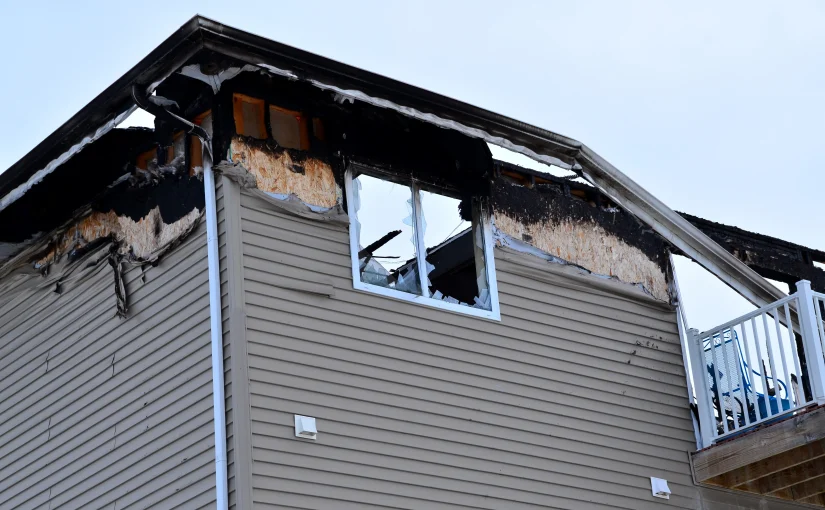
Experiencing a fire at your home or business can be overwhelming, leading to emotional distress, financial strain, and a challenging recovery process. Navigating a fire damage insurance claim may feel daunting, but enlisting the help of a public adjuster can streamline the process and improve outcomes for policyholders. Below, we provide key insights from a public adjuster near me in Evanston on effectively handling fire damage claims.
Understanding the Role of a Public Adjuster
A public adjuster is a licensed professional who works on behalf of policyholders—not insurance companies—to secure fair claim settlements. Unlike the insurance company’s adjuster, a public adjuster is dedicated to your best interests, thoroughly evaluating damages, interpreting policy details, and negotiating for the maximum compensation you’re entitled to receive.
Essential Steps to Take After Fire Damage
Taking the right actions immediately after a fire can significantly impact your claim. A public adjuster advises following these steps:
Prioritize Safety
- Do not enter the property until officials declare it safe.
- If needed, arrange temporary housing through your policy’s additional living expenses (ALE) coverage.
Document the Damage
- Capture detailed photos and videos of all affected areas, including structural damage and personal belongings.
- Keep records of expenses related to emergency repairs, temporary housing, and meals.
- Save all communications with your insurance provider.
Notify Your Insurance Company Promptly
- Report the fire damage as soon as possible.
- Obtain a copy of your insurance policy and review the specifics of your fire damage coverage.
Consult a Public Adjuster
- A public adjuster will conduct a thorough assessment, including smoke-related and hidden damages that insurers may overlook.
- They will compile a comprehensive claim package to present to your insurer, ensuring all losses are accurately accounted for.
Common Challenges in Fire Damage Claims
Even with valid coverage, policyholders often encounter obstacles such as:
- Underestimated Damage Costs – Insurance companies may offer settlements that don’t fully cover the extent of the damage.
- Claim Delays – Some insurers prolong the claims process, delaying much-needed funds for repairs and recovery.
- Coverage Disputes – Claims may be denied due to policy exclusions, misinterpretations, or technical loopholes.
A public adjuster works to counter these issues by ensuring your claim is well-documented and advocating for a fair resolution.
Why Work with a Public Adjuster?
Hiring a public adjuster can make a significant difference in the outcome of your fire damage claim. Key benefits include:
- Expertise in Insurance Claims – Public adjusters specialize in fire damage claims, ensuring proper documentation and maximizing payouts.
- Reduced Stress and Time Commitment – They manage the claims process, allowing you to focus on restoring your home or business.
- Higher Settlements – Policyholders who work with a public adjuster often receive larger payouts compared to handling claims independently.
Recovering from a fire is a difficult journey, but you don’t have to go through the claims process alone. A public adjuster serves as your advocate, ensuring all losses are properly accounted for and that your insurer fulfills its obligations. If you’ve suffered fire damage, consulting a public adjuster can protect your financial interests and help accelerate your recovery.
Flooring Companies Near Me Aurora | Solid Flooring
Aurora’s Favorite Flooring Companies Near Me Aurora Homeowners Trust
Tuckpointing near me Buffalo Grove
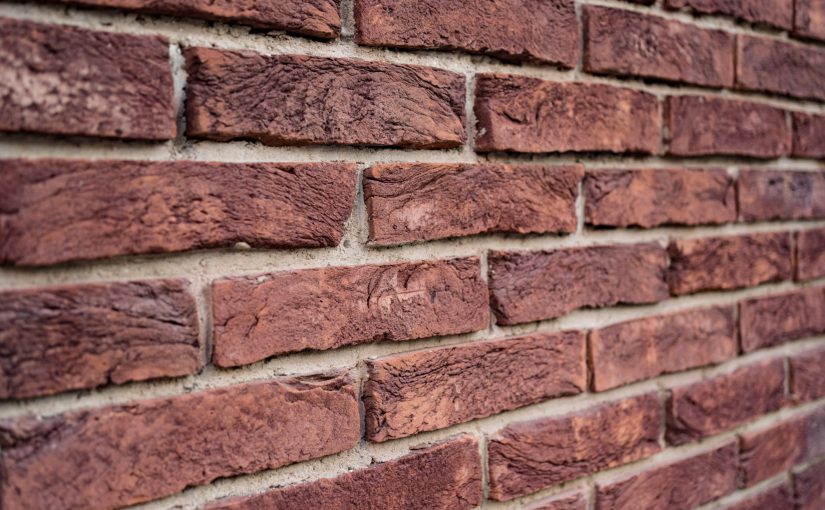
Brick structures are built to last, but over time, wear and tear can weaken their stability. Small issues, if ignored, can escalate into significant damage, requiring costly repairs. As experienced masonry contractors, we frequently see homeowners overlook early warning signs that their brickwork needs attention. One of the most effective ways to restore deteriorating brick structures is tuckpointing near me Buffalo Grove —a process that replaces old, crumbling mortar to maintain both durability and aesthetics. Here are some key indicators that your brickwork may need tuckpointing or other masonry repairs.
1. Cracked or Missing Mortar Joints
Mortar is the bonding material that holds bricks together, but over time, it can deteriorate due to weather exposure. If you notice gaps, crumbling mortar, or uneven joints, your structure likely needs tuckpointing. This process involves carefully removing deteriorated mortar and replacing it with fresh, precisely matched mortar to strengthen the wall and prevent further damage.
2. Spalling Bricks (Flaking or Chipping)
Spalling occurs when moisture penetrates bricks, causing them to flake, chip, or break apart. This issue is especially common in areas with freeze-thaw cycles, where trapped water expands when it freezes, weakening the masonry. If left untreated, spalling can lead to major structural problems. A professional masonry contractor can replace damaged bricks and apply protective sealants to prevent further deterioration.
3. White Powdery Residue (Efflorescence)
Efflorescence appears as a white, chalky residue on brick surfaces and is caused by water drawing salt deposits to the surface. While it doesn’t immediately affect the structural integrity of the brickwork, it indicates moisture infiltration, which can lead to deeper issues. Proper drainage, waterproofing, and timely tuckpointing can help prevent water damage from worsening.
4. Bulging or Bowing Bricks
If any part of your brick wall appears to be bulging outward, this is a serious warning sign of water damage behind the wall. Over time, moisture can weaken the bond between bricks and mortar, causing bricks to shift and detach. Ignoring this issue can lead to complete wall failure, making professional repair—including tuckpointing—essential to restore stability.
5. Stair-Step or Vertical Cracks in Brickwork
Cracks in bricks or mortar joints can indicate different problems. Vertical cracks are often a sign of natural settling, while stair-step cracks along mortar lines may suggest foundation movement. Regardless of the cause, these cracks can worsen if left untreated. A professional masonry contractor can assess whether tuckpointing, crack repair, or foundation reinforcement is necessary.
6. Water Damage, Mold, or Mildew Growth
Moisture intrusion can lead to staining, mold, and mildew, which not only affects the appearance of your brickwork but can also weaken its structure. If you see water stains or dark patches on your masonry, it’s crucial to address the underlying issue before the damage spreads. Sealing, drainage improvements, and tuckpointing can help prevent further deterioration.
7. Leaning or Unstable Chimney
A chimney should always stand perfectly vertical. If you notice it tilting, shifting, or if the mortar is crumbling, this is a clear indication that the foundation or mortar joints are failing. Tuckpointing can restore the chimney’s integrity by reinforcing its mortar joints, preventing collapse and extending its lifespan.
How to Protect Your Brickwork from Damage
While brick structures naturally age, proper maintenance can significantly extend their lifespan:
✔️ Regular Inspections – Check for cracks, loose bricks, or deteriorating mortar annually.
✔️ Keep Water Away – Ensure proper drainage to prevent moisture buildup.
✔️ Seal Your Masonry – Applying a breathable masonry sealer can help protect against water infiltration.
✔️ Schedule Tuckpointing When Needed – Addressing mortar deterioration early can prevent costly structural repairs.
Trust a Masonry Contractor for Tuckpointing and Repairs
If you’ve noticed any of these warning signs in your brickwork, don’t wait until the damage worsens. A professional masonry contractor can inspect your structure and recommend the best solutions, whether that’s tuckpointing, brick replacement, or waterproofing.

Window replacement near me Schaumburg
Choosing the right windows for your home involves considering aesthetics, functionality, and energy efficiency. Two of the most common styles are double-hung windows and casement windows. Each offers unique benefits, making them suited for different home designs and preferences. Below, we compare these styles to help you make an informed decision.
Double-Hung Windows
Design and Features
Double-hung windows have two sashes that move vertically within the frame, allowing for adjustable ventilation. Many models feature a tilt-in function for easy cleaning.
Pros
- Customizable Ventilation: Open the top sash to release warm air while keeping the lower sash closed for safety.
- Classic Appearance: Complements both traditional and modern homes.
- Easy Maintenance: Tilt-in sashes simplify cleaning, particularly for upper floors.
- Screen Compatibility: Can accommodate full or half screens with ease.
Cons
- Less Effective Airflow: Air circulation may not be as efficient as casement windows.
- Potential Drafts: Over time, gaps between sashes may develop, reducing energy efficiency.
Casement Windows
Design and Features
Casement windows are hinged on the side and open outward with a crank. This design allows for an unobstructed view and superior ventilation.
Pros
- Enhanced Ventilation: The entire window opens, directing fresh air into the home.
- Better Insulation: When closed, the sash seals tightly against the frame, improving energy efficiency.
- Clear Views: No center rail means uninterrupted outdoor visibility.
- Improved Security: Locking mechanisms make these windows harder to force open.
Cons
- Space Limitations: Their outward opening may be impractical for walkways and tight spaces.
- Crank Mechanism Wear: Over time, the crank may require maintenance or replacement.
- Screen Placement: Screens must be installed on the interior side.
Which Window Type Suits Your Needs?
For a Traditional and Versatile Look: Double-Hung Windows
If you prefer a timeless design with easy maintenance and adjustable ventilation, double-hung windows are a great option.
For Energy Efficiency and Maximum Airflow: Casement Windows
If energy savings, improved airflow, and a modern aesthetic are your top priorities, casement windows might be the better choice.
Key Considerations
- Climate: Casement windows provide better insulation, making them ideal for colder or windy regions.
- Maintenance: Double-hung windows are easier to clean, particularly for multi-story homes.
- Space Constraints: If the window is near a busy outdoor area, double-hung windows may be more suitable.
- Budget: Casement windows typically cost more due to their hardware and sealing efficiency.
Both double-hung and casement windows offer distinct advantages. Double-hung windows are ideal for those seeking a traditional look with convenient cleaning, while casement windows provide better insulation and ventilation. Consider your home’s style, location, and personal preferences to select the best option for your window replacement near me Schaumburg project.