
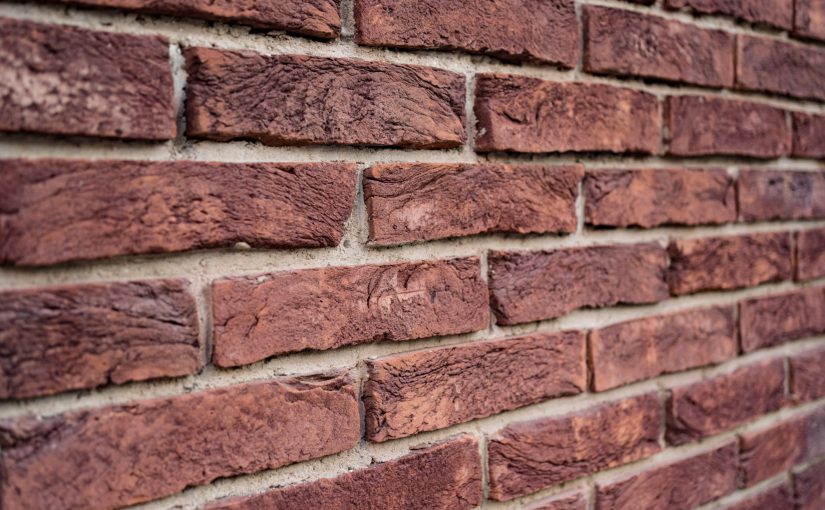
Brick structures are built to last, but over time, wear and tear can weaken their stability. Small issues, if ignored, can escalate into significant damage, requiring costly repairs. As experienced masonry contractors, we frequently see homeowners overlook early warning signs that their brickwork needs attention. One of the most effective ways to restore deteriorating brick structures is tuckpointing near me Buffalo Grove —a process that replaces old, crumbling mortar to maintain both durability and aesthetics. Here are some key indicators that your brickwork may need tuckpointing or other masonry repairs.
1. Cracked or Missing Mortar Joints
Mortar is the bonding material that holds bricks together, but over time, it can deteriorate due to weather exposure. If you notice gaps, crumbling mortar, or uneven joints, your structure likely needs tuckpointing. This process involves carefully removing deteriorated mortar and replacing it with fresh, precisely matched mortar to strengthen the wall and prevent further damage.
2. Spalling Bricks (Flaking or Chipping)
Spalling occurs when moisture penetrates bricks, causing them to flake, chip, or break apart. This issue is especially common in areas with freeze-thaw cycles, where trapped water expands when it freezes, weakening the masonry. If left untreated, spalling can lead to major structural problems. A professional masonry contractor can replace damaged bricks and apply protective sealants to prevent further deterioration.
3. White Powdery Residue (Efflorescence)
Efflorescence appears as a white, chalky residue on brick surfaces and is caused by water drawing salt deposits to the surface. While it doesn’t immediately affect the structural integrity of the brickwork, it indicates moisture infiltration, which can lead to deeper issues. Proper drainage, waterproofing, and timely tuckpointing can help prevent water damage from worsening.
4. Bulging or Bowing Bricks
If any part of your brick wall appears to be bulging outward, this is a serious warning sign of water damage behind the wall. Over time, moisture can weaken the bond between bricks and mortar, causing bricks to shift and detach. Ignoring this issue can lead to complete wall failure, making professional repair—including tuckpointing—essential to restore stability.
5. Stair-Step or Vertical Cracks in Brickwork
Cracks in bricks or mortar joints can indicate different problems. Vertical cracks are often a sign of natural settling, while stair-step cracks along mortar lines may suggest foundation movement. Regardless of the cause, these cracks can worsen if left untreated. A professional masonry contractor can assess whether tuckpointing, crack repair, or foundation reinforcement is necessary.
6. Water Damage, Mold, or Mildew Growth
Moisture intrusion can lead to staining, mold, and mildew, which not only affects the appearance of your brickwork but can also weaken its structure. If you see water stains or dark patches on your masonry, it’s crucial to address the underlying issue before the damage spreads. Sealing, drainage improvements, and tuckpointing can help prevent further deterioration.
7. Leaning or Unstable Chimney
A chimney should always stand perfectly vertical. If you notice it tilting, shifting, or if the mortar is crumbling, this is a clear indication that the foundation or mortar joints are failing. Tuckpointing can restore the chimney’s integrity by reinforcing its mortar joints, preventing collapse and extending its lifespan.
How to Protect Your Brickwork from Damage
While brick structures naturally age, proper maintenance can significantly extend their lifespan:
✔️ Regular Inspections – Check for cracks, loose bricks, or deteriorating mortar annually.
✔️ Keep Water Away – Ensure proper drainage to prevent moisture buildup.
✔️ Seal Your Masonry – Applying a breathable masonry sealer can help protect against water infiltration.
✔️ Schedule Tuckpointing When Needed – Addressing mortar deterioration early can prevent costly structural repairs.
Trust a Masonry Contractor for Tuckpointing and Repairs
If you’ve noticed any of these warning signs in your brickwork, don’t wait until the damage worsens. A professional masonry contractor can inspect your structure and recommend the best solutions, whether that’s tuckpointing, brick replacement, or waterproofing.